
- December 4, 2025|
- News
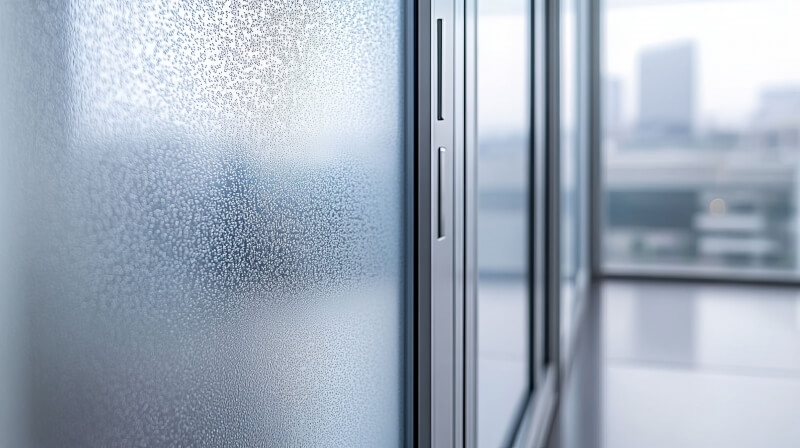
Condensation on aluminium windows is something almost every homeowner has encountered at some point, with foggy windows or damp window cills on cold mornings. But is condensation a sign of poor-quality windows, or simply a natural occurrence?
At Sheerline Bespoke, we believe understanding the science behind condensation is the first step to preventing it and installers must have the knowledge to answer the questions their customers are likely going to ask when it comes to energy efficiency and condensation.
With 30 years of industry expertise and market-leading innovation through our Thermlock® technology, we design aluminium systems that deliver exceptional insulation, helping to keep a home comfortable and dry all year round.
Here, we explore what really causes condensation, how humidity and thermal design play a part, and why our products offer the most effective solution for long-term performance.
What causes condensation on aluminium window frames?
Condensation occurs when warm, moist air inside the home meets a cooler surface, like the interior of the aluminium window frame or the glass surface. When the air temperature drops below its dew point, the water vapour in the air turns into liquid droplets.
It’s a natural occurrence, but it’s often made worse by:
Poor insulation – older aluminium frames without a proper thermal break transfer heat quickly, cooling the inner frame.
High relative humidity – daily activities such as cooking, showering, or drying wet clothes indoors increase the amount of excess moisture in the air.
Inadequate ventilation – without enough fresh air, humidity builds up, and condensation forms more easily.
Cold bridging – where metal components conduct cold from outside to inside.
When these factors combine, even the most expensive glazing can experience condensation issues, particularly during the colder months.
Why are older aluminium windows more likely to mist up?

Older windows made from aluminium were often built without an effective thermal break. Aluminium is one of the most conductive or ‘coldest’ materials used in window manufacturing, and without insulation, the inner frame can become as cold as the outdoor temperature.
When warm air meets these ‘cold’ window frames, the likelihood of condensation increases dramatically. This can be seen through a window sweating around the frame edges or foggy windows in the mornings.
By contrast, modern aluminium windows with advanced thermal barriers maintain a much warmer surface temperature, significantly reducing this effect.
Preventing condensation on aluminium frames: what really works?
When it comes to preventing condensation on aluminium frames, it’s all about balance and maintaining the right indoor humidity while ensuring the glazing system is properly insulated. Effective steps to reduce the risk:
Control humidity levels – use an extractor fan when cooking or showering, and avoid drying clothes on a clothes horse indoors.
Encourage airflow – open windows regularly or use trickle vents to introduce fresh air and prevent humid air from stagnating.
Maintain steady heating – fluctuating air temperature can cool surfaces quickly, causing condensation to form.
Upgrade older systems – consider new windows with thermally broken aluminium frames for better insulation.
By tackling both excess moisture and cold surfaces, you can stop condensation before it starts and reduce the growth of mould around window seals.
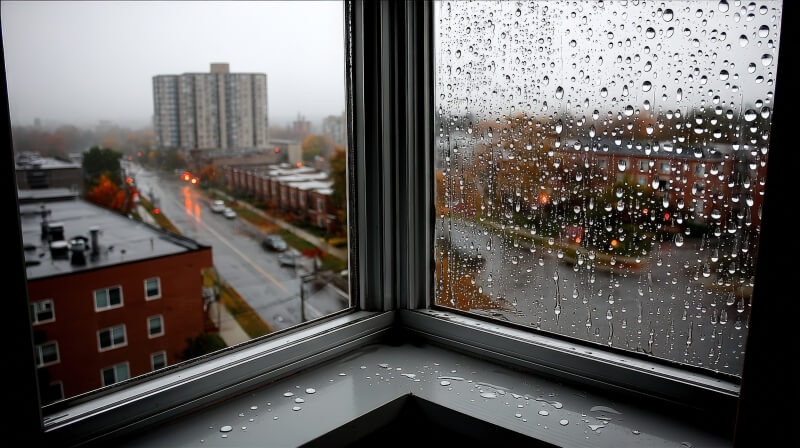
What is a thermal break and why is it so important?
A thermal break is an insulating barrier built into aluminium window frames that separates the inner and outer metal sections. This reduces heat transfer, keeping the interior frame warmer and minimising condensation.
Traditional systems often used polyamide as the insulating material. While effective in its time, it can’t easily meet today’s tougher energy-efficiency standards or deliver the same thermal performance as modern alternatives.
That’s where Sheerline’s Thermlock® technology comes in.
Thermlock®: the multi-chamber innovation inside every Sheerline product
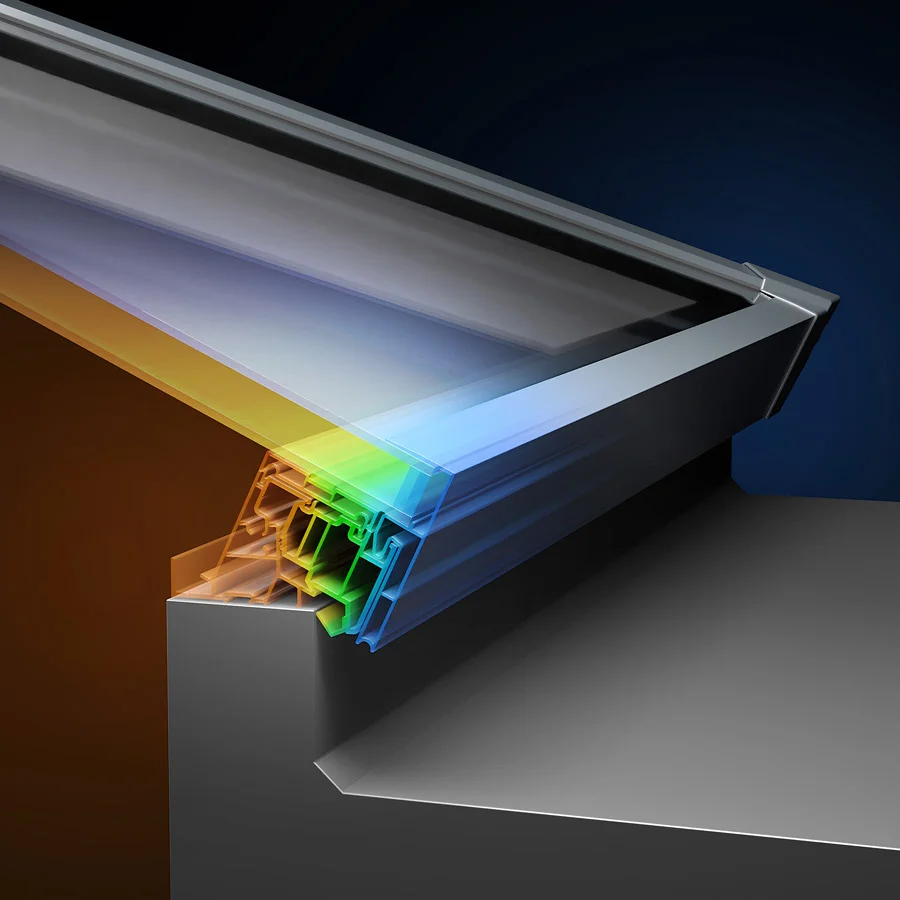
Every Sheerline window, door, and roof system features our unique Thermlock® multi-chamber thermal design. These insulating chambers create multiple barriers within the frame, acting as a superior thermal break that prevents cold bridging and helps stabilise surface temperature. This intelligent design offers:
- Outstanding insulation across all frame components
- Reduced heat loss and lower heating bills
- Superior performance compared to traditional polyamide breaks
- Elimination of cold areas where condensation could otherwise form
Our eaves beam designs in our roofs also keeps aluminium sections internal, locking out draughts and ensuring no cold air can reach the inner surface of Sheerline conservatories.
Why Sheerline uses Thermlock® everywhere – not just in frames
Unlike many systems on the market, Sheerline integrates Thermlock® throughout every product. From cills and corner posts to rafters and eaves beams, every component uses the same multi-chamber technology to provide consistent insulation.
This whole-system approach ensures there are no cold areas or defects of the window that can become condensation hotspots. Whether it’s our S1 Roof Lantern, or S3 Architectural Glazed Roof, every design benefits from the same high-performance barrier.

Do modern aluminium systems still suffer from condensation?
It’s possible, but far less common. Modern aluminium windows featuring double glazing or triple glazing, combined with Thermlock® insulation, maintain a much warmer inner frame.
This means the glass surface and frame stay well above the dew point, dramatically lowering the risk of condensation forming, even in winter.
What about large panes and glazed roofs?
As architectural trends move toward large panes of glass, open-plan living, and wide-span bifold doors, maintaining thermal balance becomes even more important.
That’s why systems like Sheerline’s S3 Architectural Glazed Roof feature the same Thermlock® multi-chamber insulation. This ensures consistent performance across every connection, minimising the risk of condensation where colder surfaces could otherwise develop.
The benefits of Thermlock® for homeowners and installers
- Market-leading thermal performance that meets UK Building Regulations
- Consistent insulation across every component – not just the visible frame
- Reduced condensation risk for clearer views and drier interiors
- Lower energy use for a more sustainable, comfortable home
- Backed by independently verified U-value reports, Thermlock® represents the next generation of aluminium performance.
Want to reduce condensation for your customers for good?
If you are upgrading older windows or designing a new glazed extension, Sheerline Bespoke offers advanced, efficient windows and roof systems that deliver warmth and lasting performance.
Discover how Thermlock® technology can help your customers achieve a more comfortable, energy-efficient home while preventing condensation on aluminium frames.
Contact the Sheerline Bespoke team today to discuss your project or find out more about our precision-engineered aluminium systems.
Key takeaways
- Condensation is a natural occurrence, but it can be managed with good design and proper ventilation.
- Older aluminium frames without a thermal break are most vulnerable.
- Controlling humid air and ensuring balanced air temperature are crucial.
- Sheerline’s Thermlock® technology eliminates cold spots across every product.
- Consistent thermal design means no weak points where condensation can form.
FAQs
Why does condensation form on aluminium frames?
Because moist air meets a cold surface. Without a proper thermal break, the inner frame cools, and condensation forms as the air’s moisture turns to droplets.
How can I stop window sweating in winter?
Ensure proper ventilation, maintain steady heating, and upgrade to modern aluminium windows with Thermlock® insulation.
Does Thermlock® really make a difference?
Yes. Its multi-chamber design offers far greater insulation than traditional polyamide, keeping frames warmer and reducing the likelihood of condensation.