
- March 17, 2026|
- News
The conversation around roof types for extensions has shifted dramatically in recent years. Homeowners no longer view a home extension as an optional extra or seasonal space. It must feel permanent, thermally efficient and architecturally aligned with the existing house. In 2026, specification decisions are being driven by performance as much as appearance.
At Sheerline Bespoke, we have seen first-hand how expectations have evolved. Fabricators and installers are specifying roof systems that deliver slimmer sightlines, stronger thermal credentials and integrated ventilation. The goal is clear: create a comfortable living space filled with plenty of natural light, without compromising energy efficiency.
Below, we explore the leading glazed extension roofing trends shaping 2026.
What are the most popular roof types for extensions in 2026?
Three extension roof type categories are defining the market:
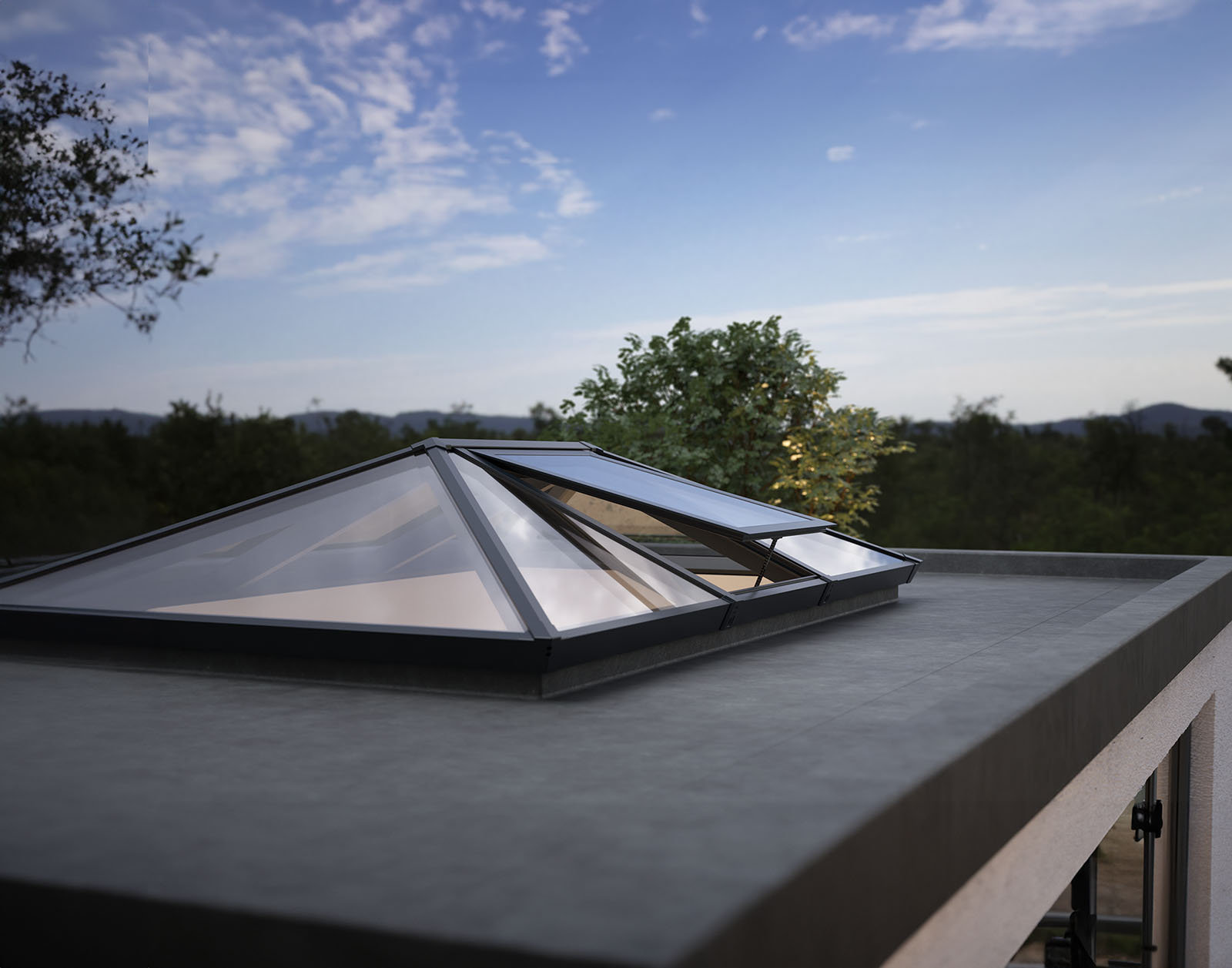
- Flat roofs with integrated roof lights or lanterns
- Roof lanterns used as architectural features
- Contemporary mono-pitched roof systems in aluminium
Each type of roof responds to different design requirements, ceiling height constraints and use of the room. The right roof design depends on how the new space connects to the rest of the home and the overall aesthetic appeal homeowners want to achieve.
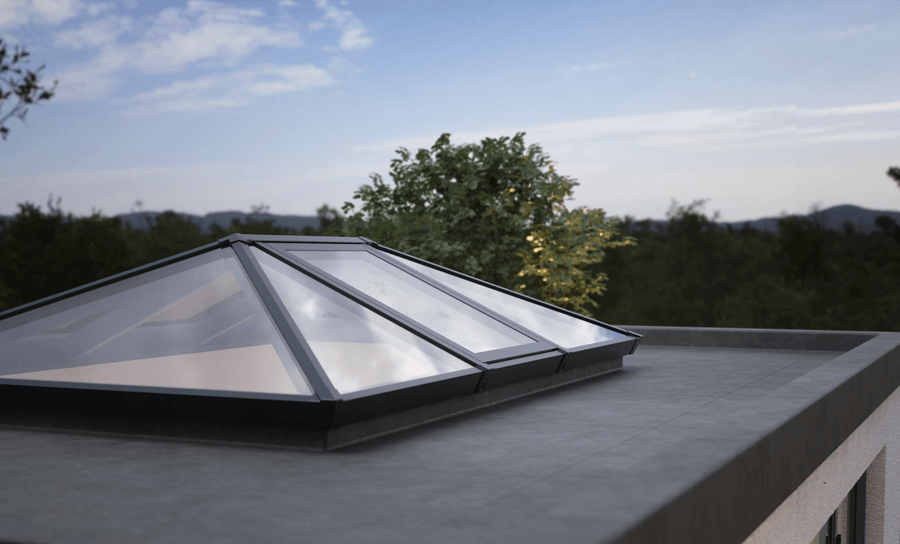
Flat roofs move from compromise to centre stage
Flat roofs were once seen as a compromise for a rear extension or single storey extension. Concerns around longevity of the felt membrane and insulation meant many preferred a traditional pitched roof. That perception has changed.
Modern membrane technologies such as EPDM and GRP have transformed durability. When correctly specified and installed, today’s flat roofs offer impressive lifespan and excellent weather resistance. Our flat roof system is often installed and ready for the EPDM at the end of the first day.
Just as importantly, they align perfectly with contemporary designs. Clean edges, minimal bulk and sharp lines complement aluminium glazing systems and modern designs. This makes flat roofs one of the best options for a house extension where a contemporary look is required.
From a practical standpoint, flat roofs also offer:
- Faster installation times
- Reduced disruption on site
- Competitive overall project costs
- Strong thermal performance when insulated correctly
For installers, that combination supports efficient project turnaround. For homeowners, it provides confidence that their extension roofs will stand the test of time.
Roof lanterns as refined architectural features
While flat roofs often form the structural base, roof lanterns are now used more strategically. They are no longer decorative add-ons. They are part of a considered roof design.
Advances in aluminium engineering have resulted in slimmer sightlines and stronger ridge sections. This allows lanterns to appear lighter, with greater visual appeal and minimal interruption to the roof structure.
A strong example is our S1 Roof Lantern. Its refined aluminium profiles maximise glass area while maintaining structural integrity. The result is a fully glazed roof element that delivers controlled daylight without excessive solar gain. In 2026, performance matters as much as appearance. That means:
- High-performance 28mm glazing
- Thermally broken aluminium frames
- Secure integration within flat roofs
- Reduced cold bridging
Homeowners expect roof lights and lanterns to bring in plenty of natural light while maintaining comfortable internal temperatures throughout the year. Consistency is key.
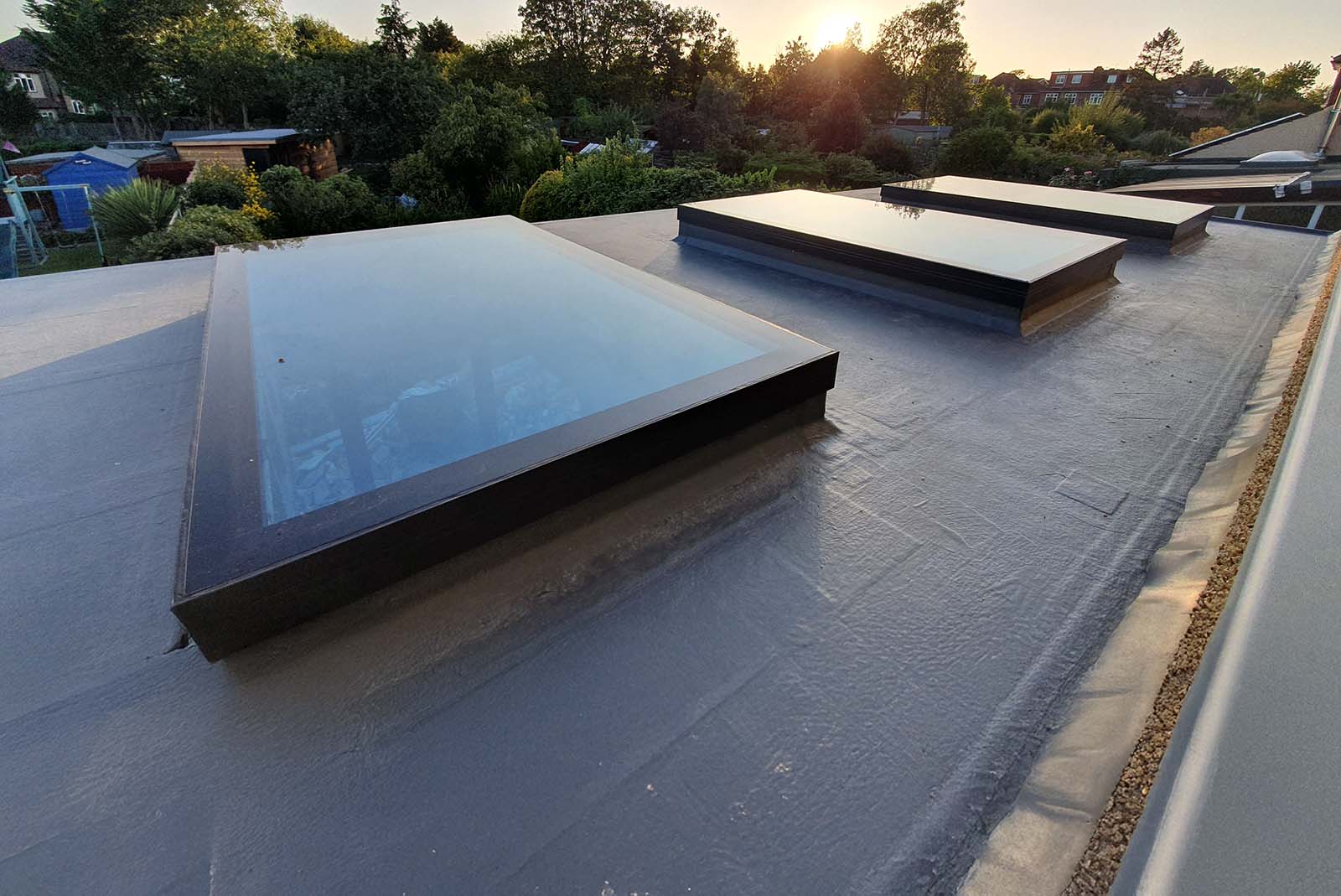
Integrated ventilation becomes standard
Ventilation is no longer an afterthought. As extensions become open-plan kitchens and dining spaces, humidity and temperature control are critical. Integrated ventilation solutions are increasingly specified as part of the original roof design.
Our SheerVent® technology allows discreet ventilation within the lantern structure. Flush-fitting, fully thermally broken and powered by concealed actuators, it maintains clean sightlines while enabling secure airflow. This approach addresses two growing homeowner expectations:
- Healthy indoor air quality
- Intelligent climate control
Optional rain sensors and remote operation reflect the broader move towards smarter, more responsive living environments.
Contemporary pitched roof systems gain ground
Although flat roofs dominate many projects, the pitched roof is far from obsolete. In fact, contemporary glazed aluminium pitched systems are one of the fastest-growing roof types for extensions.
Homeowners looking for greater roof height or a more dramatic internal ceiling often favour a mono-pitch glazed roof. This design can create striking vaulted interiors and a strong architectural statement.
Our new S3 Architectural Roof System reflects this shift. Designed as a thermally broken aluminium roof system, it combines structural capability with clean external detailing. Key features of the S3 that are shaping 2026 trends include:
- Longer unsupported spans
- Low-line external rafter cappings
- Deep internal rafters for strength
- Strong thermal performance across the entire roof structure
For fabricators and installers, this opens up design flexibility. For homeowners, it offers a premium alternative to older conservatory-style solutions.
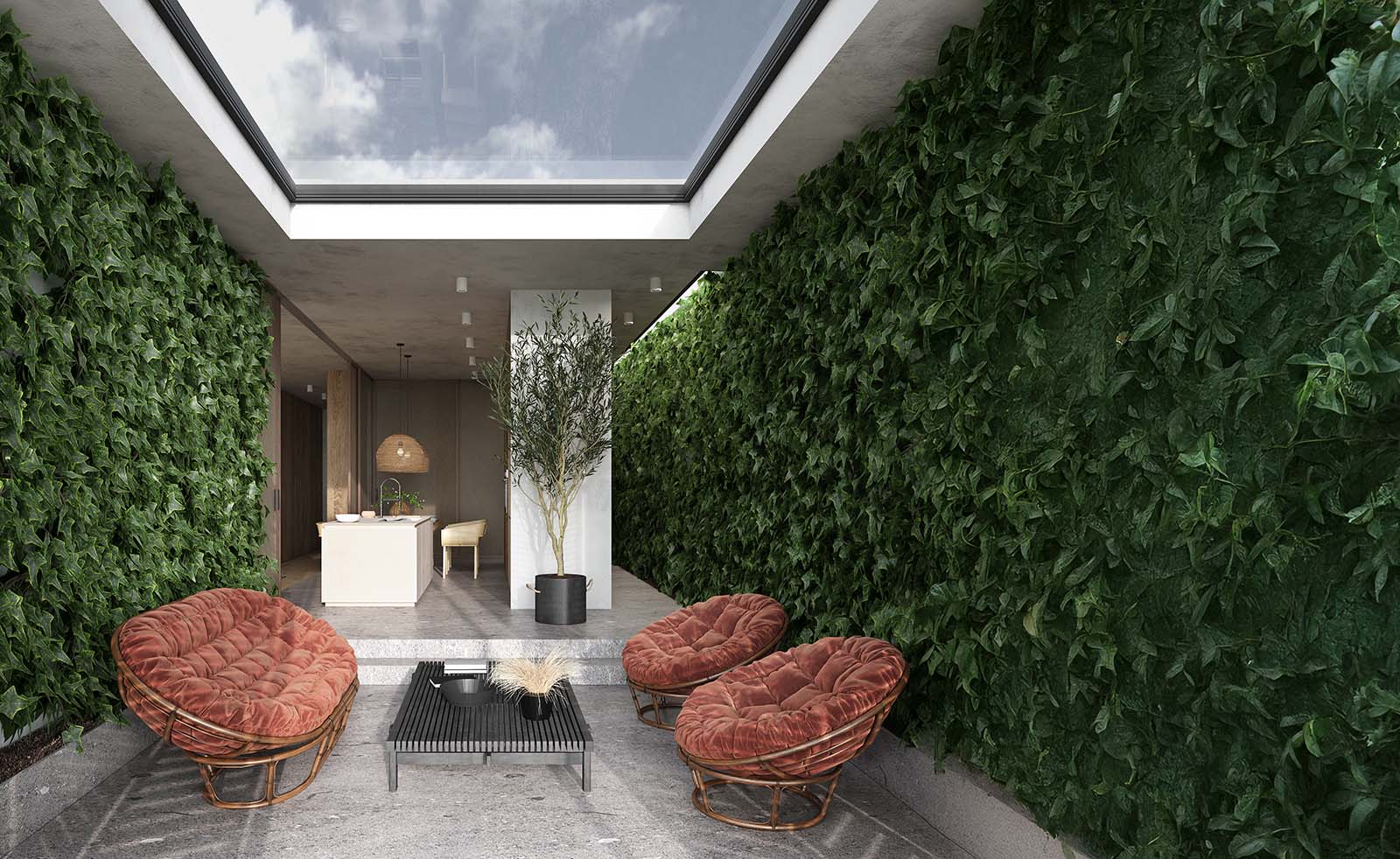
Aluminium replaces traditional conservatories
Traditional PVCu conservatories once dominated the market. Today, full-height glazed aluminium extensions are the aspirational choice. The reasons are clear:
- Aluminium offers superior structural integrity
- Larger spans are possible without bulky frames
- Powder-coated finishes retain colour integrity for decades
- Systems integrate seamlessly with the existing house
- Matches the current contemporary architectural trends
Homeowners increasingly want a home extension that feels like part of the original build. A fully glazed roof paired with slim aluminium frames delivers that sense of permanence.
This reflects a broader cultural shift. Rather than adding a lightweight structure, homeowners are investing in long-term architectural upgrades that add measurable value.
Colour trends shift towards softer tones
Colour is playing a more considered role in extension roof type selection. Black, white and anthracite grey remain popular. However, demand is growing for softer architectural shades such as Agate grey. These tones sit comfortably against brick, stone and render, whether the property is contemporary or traditional.
Powder-coated aluminium allows for consistent, durable finishes. This supports cohesive roof design across frames, roof lights and supporting structures. The goal is harmony with the rest of the home, rather than contrast for its own sake.
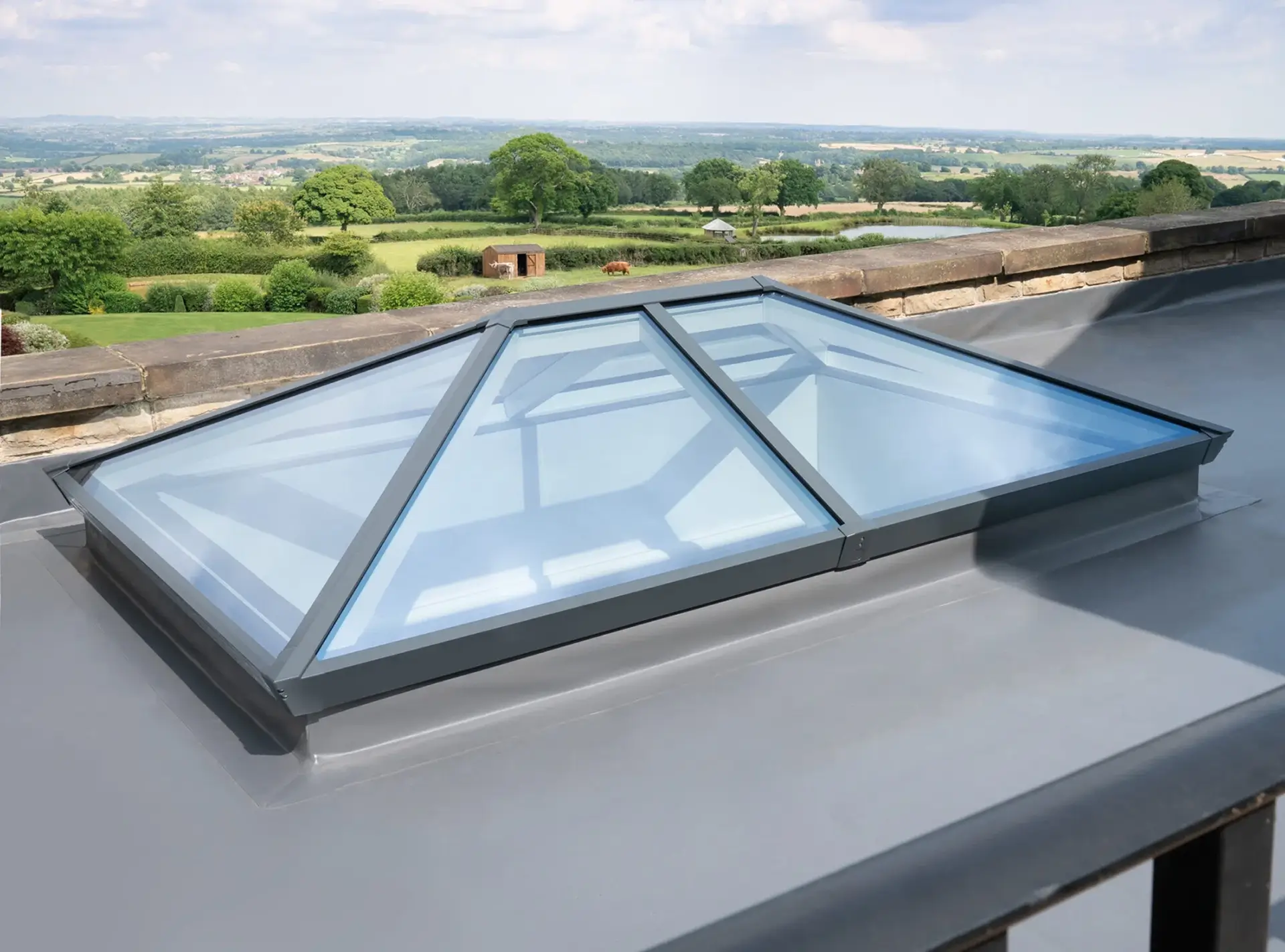
Slimmer sightlines define modern designs
Across all roof types for extensions, one detail stands out: slimmer aluminium sightlines.
Reduced frame bulk increases glass area. This improves daylight levels and strengthens the connection between indoor and outdoor spaces.
From a performance perspective, this must be achieved without sacrificing thermal integrity. Thermally broken aluminium systems make this possible, maintaining internal comfort while delivering the minimalist aesthetic homeowners’ demand. In 2026, visual appeal and thermal performance are inseparable.
Choosing the right roof design for long-term value
Selecting the right roof design involves more than appearance. Installers must consider:
- Orientation and solar gain
- Intended use of the room
- Desired ceiling height
- Planning constraints
- Connection to the existing house
A rear extension used as a kitchen diner may benefit from a flat roof with lantern combination. A single storey extension designed as a lounge may suit a mono-pitch glazed roof for added drama.
The best options are those that balance performance, structural integrity and aesthetic appeal. Homeowners expect extension roofs to perform for 20 years or more. Aluminium systems provide that longevity.
Want to specify future-ready extension roofs?
The market for glazed extension roofing is more design-led and performance-driven than ever. If you are specifying roof types for extensions in 2026, Sheerline Bespoke offers thermally broken aluminium systems specially designed for modern living.
From the S1 Roof Lantern to the S3 Architectural Roof System, every solution is engineered for strength, efficiency and clean architectural lines.
Contact the Sheerline Bespoke team to discuss your next project and discover how our precision-engineered aluminium extension roofs can help you deliver outstanding results.
Key takeaways
- Flat roofs are now a mainstream, high-performance option for a house extension
- Roof lanterns are specified as architectural features, not decorative extras
- Contemporary pitched roof systems are growing in popularity
- Integrated ventilation is increasingly expected
- Slim aluminium sightlines and softer colours define modern designs
- Long-term thermal performance is central to homeowner decision-making
FAQs
Is a flat roof suitable for a single storey extension?
Yes. Modern flat roofs use advanced membrane technology and insulation, making them durable and energy efficient. They are a popular option for contemporary designs.
Does a pitched roof provide more natural light?
A mono-pitch fully glazed roof can increase glass area and ceiling height, allowing more daylight into the living space. The right roof design depends on layout and orientation.
Are aluminium extension roofs better than PVCu?
Aluminium offers greater structural strength, slimmer sightlines and longer-lasting finishes. For homeowners seeking long-term value and architectural quality, aluminium is widely regarded as the superior choice.